Platform incentives are designed to make you drive more. Sometimes they help. Sometimes they trick you into working longer for less. The difference lies in reading the fine print and knowing your real costs. This article explains the most common incentive types in India and how to decide whether each one is worth your time.
Peak-hour bonuses
These are extra payments for completing trips during busy hours. They sound simple, but they come with conditions. You may need to stay online in a specific zone, accept a minimum percentage of requests, or complete a set number of trips in the window.
Before chasing a peak-hour bonus, calculate whether you would earn more by simply working a normal route. If the bonus zone is far away or full of traffic, the extra money may be eaten by fuel and time.
Quests and trip targets
Quests promise a fixed bonus if you complete a certain number of trips in a day or week. For example, complete 20 trips and earn an extra Rs 500. These can be good, but only if the target matches your natural pace.
The danger is chasing the last few trips when demand is low. You may end up driving empty kilometers or accepting low-value rides just to hit the number. Always ask: would I do these trips anyway? If not, the quest may not be worth it.
Streaks and consecutive trips
Streak incentives reward you for accepting several trips in a row without going offline or cancelling. They can push your hourly rate up, but they also pressure you to accept trips you would normally skip.
Use streaks when you are already in a busy area. Do not start a streak when you are tired, low on fuel, or far from demand. One bad trip can break the streak and waste the effort.
Guaranteed earnings
Some platforms offer guaranteed minimum earnings if you stay online for a set number of hours and meet conditions. This can reduce risk on slow days. However, the guarantee usually applies only if you do not already earn more than the guaranteed amount.
Read the terms carefully. There may be acceptance-rate requirements, location restrictions, or penalties for going offline. A guarantee is only helpful if its conditions fit your natural work pattern.
Referral bonuses
Referral bonuses pay you for bringing new drivers onto the platform. These can be attractive, but they depend on the new driver completing a certain number of trips. Do not promise easy money to friends. Be honest about the work involved.
Also, focus on your own driving first. A one-time referral is nice, but steady earnings come from consistent daily work.
Calculate your real hourly rate
The best way to judge any incentive is to calculate your real hourly rate with and without it. Include fuel, time spent waiting, and distance traveled. If the incentive raises your hourly rate, chase it. If it only raises your total hours without raising your hourly rate, skip it.
Keep a simple spreadsheet or note. After a month, you will know which incentives actually work in your city and which ones are traps.
Do not let incentives drive you
Incentives are tools, not bosses. The platform wants you online. You want sustainable earnings. Those two goals are not always the same. Drive when it makes sense for you, rest when you need to, and use incentives when they improve an already good plan.
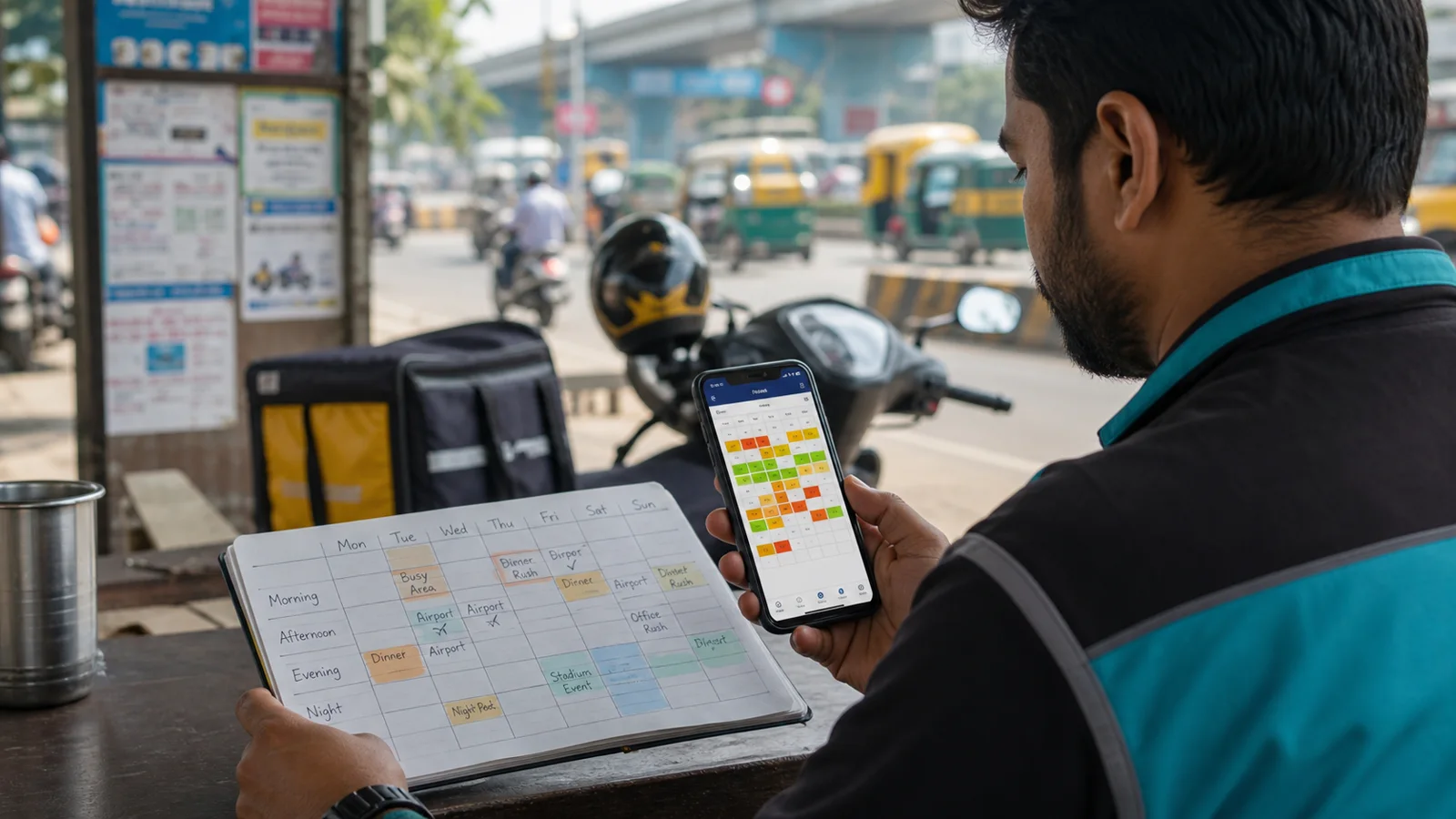
If you use Auto Accept App, your history can show which days and times produced the best results for you. Compare that with the platform's incentive calendar. The overlap is where the money is.
Read the hidden cost of a target
An incentive target can look attractive until you count the extra distance, waiting time, fuel, and stress needed to complete it. A bonus that forces you into poor trips may not be a bonus at all. Before chasing a target, estimate what you would earn without it. The difference is the real value.
Do not let streaks control safety
Streaks can push drivers to accept quickly, drive longer, or skip breaks. That is exactly why you need rules before the shift begins. Decide what kind of trip you will still reject even during a streak: unsafe pickup, too far away, bad route, or low value after fuel. A target should never make the driver ignore basic judgment.
Match incentives with your natural route
The best incentive is one that fits the work you already planned. If you normally do evening food delivery near a dense market, a dinner-hour target may make sense. If a ride-share quest pulls you across the city into traffic you dislike, the headline amount may not be worth the fatigue.
Compare payout timing and certainty
Some rewards are instant, some are delayed, and some depend on rules that can change. Read the conditions carefully: completion window, cancellation rules, city boundary, eligible vehicle type, and minimum rating if applicable. A smaller, clearer reward can be better than a large reward with too many conditions.
Final thought
The strongest drivers do not rely on luck alone. They build small habits, keep the phone setup clean, and review what the shift actually taught them. Auto Accept App is there to support that workflow, while the final decision always stays with the person on the road.
FAQ
Are platform incentives always profitable?
No. They are profitable only when the extra reward is larger than the extra cost and stress.
Should new drivers chase every quest?
New drivers should first learn routes, pickup behavior and fuel cost. Chasing every quest too early can create bad habits.
How can Auto Accept App help with incentives?
Its history view can help you compare which time blocks and app choices actually produced useful results.